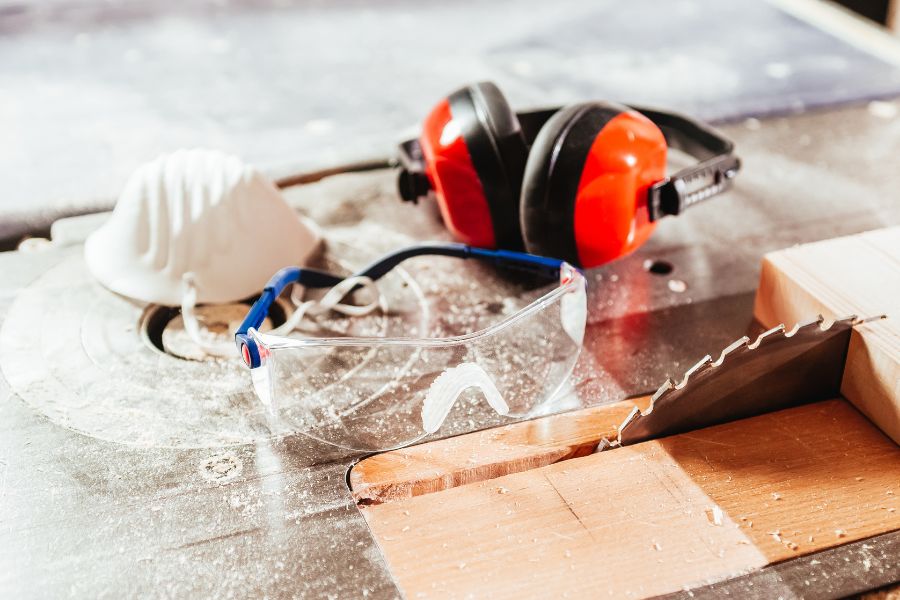
Carpentry Safety Tips Every Woodworker Should Know
Whether you’re a seasoned professional or an enthusiastic hobbyist, carpentry safety should be the cornerstone of every project.
Because when you understand and consistently apply carpentry safety practices, you can prevent unnecessary injuries, ensure greater productivity, and enhance the overall quality of your work.
With that in mind, this article highlights essential carpentry safety tips every woodworker should know, exploring everything from protective gear to tool handling, workshop setup, and best practices for maintaining a safe job site.
Understanding the Importance of Carpentry Safety
Carpentry safety is about more than just common sense; it’s a foundational aspect of woodworking that allows you to consistently do your best work.
And whether you’re working on a small DIY project or managing a large job site, when you prioritize carpentry safety, it ensures everyone involved will remain protected from preventable harm.
Having said that, let’s explore the most essential safety considerations that every professional carpenter and amateur carpentry enthusiast should incorporate into their woodworking process.
Always Use Personal Protective Equipment
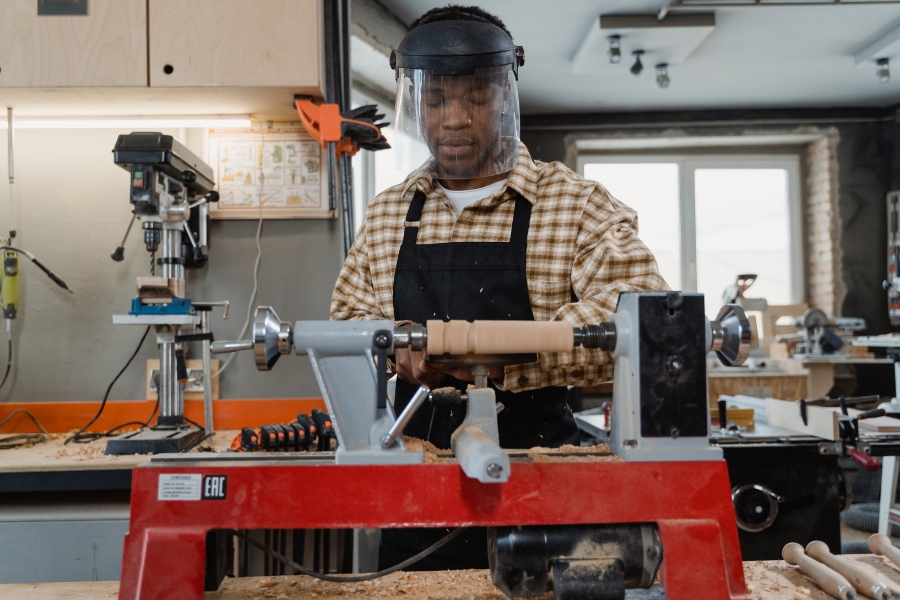
When it comes to carpentry safety, personal protective equipment (PPE) is your first line of defense against injury. Here are some basic PPE items that every woodworker should use:
- Safety Glasses: These glasses will protect your eyes from flying debris, dust, and sharp wood fragments. But make sure to choose comfortable glasses that provide adequate peripheral protection.
- Hearing Protection: Continuous exposure to loud woodworking equipment can damage your hearing over time, so make sure to use earplugs or earmuffs rated for industrial use.
- Dust Masks or Respirators: Carpentry generates a ton of fine dust particles, especially when sanding or cutting certain woods, so make sure to invest in a quality respirator or dust mask to protect your lungs.
- Gloves: You should wear appropriate gloves when handling rough lumber or heavy materials, but don’t ever use gloves around rotating machinery, as they can get caught in it and cause severe injuries.
- Steel-Toed Boots: You should also ensure you’ve got footwear with reinforced toes, as this will provide protection against heavy falling objects and sharp tools.
At any rate, consistent use of PPE can significantly reduce the risk of common carpentry injuries.
Maintain and Regularly Inspect Your Tools
Safe carpentry relies heavily on maintaining your tools to make sure they’re always in optimal working condition.
With that in mind, you should make sure to regularly maintain and inspect your tools by:
- Keeping all cutting tools sharp to reduce the force required and minimize the risk of slips or kickbacks
- Inspecting power cords and electrical components for fraying, cracking, or other damage, and replacing faulty cords immediately
- Lubricating and adjusting your tools according to manufacturer guidelines
- Disconnecting power before servicing or adjusting machinery
In any case, properly maintained tools will not only help you to improve safety, but also enhance your efficiency and precision.
Organize Your Workspace
Although this may not be the first thing that comes to mind when you think about carpentry safety, a clean, organized workspace can make the entire woodworking process safer.
In this context, organizing your workspace refers to doing things like:
- Keeping floors clear of debris, tools, and materials to prevent tripping hazards
- Storing sharp and heavy tools securely in designated areas when they’re not in use
- Maintaining adequate lighting to ensure you can clearly see your work and surroundings
- Clearly labelling containers and storage areas so you can quickly and safely retrieve items
Regularly tidying your workspace in this way can help you to reduce clutter, promote productivity, and avoid unnecessary accidents.
Safe Handling and Operation of Power Tools
In most cases, power tools are absolutely necessary when it comes to woodworking, but they require cautious handling. So, make sure to follow these essential safety rules:
- Never remove or disable safety guards provided with your tools.
- Avoid loose clothing or jewelry that can get caught in moving parts.
- Maintain a firm grip and balanced posture when operating any tool.
- Always read and understand the operator’s manual for every piece of equipment.
- Always turn off and unplug power tools when you’re not actively using them, even during short breaks.
At any rate, if you consistently adhere to these guidelines, it will drastically reduce the risk of serious injuries from power tools.
Safe Material Handling Practices
When it comes to carpentry safety, proper handling and moving of materials is something that tends to get overlooked.
But the truth is things like heavy lifting, incorrect handling techniques, and inadequate planning when transporting materials can lead to serious injuries.
However, if you make a point of using safe material handling methods, it will help you to prevent things like muscle strains, joint injuries, and accidental damage to materials and tools.
To handle materials safely, make sure to always lift with your legs rather than your back, keeping the material close to your body while lifting, and avoid twisting or turning suddenly.
When moving large or awkward items, you should seek assistance or use mechanical aids such as carts, dollies, or forklifts, if you can.
Also, make sure to properly secure your materials when storing or transporting them to prevent accidental tipping or sliding.
Ensure Adequate Dust Control and Ventilation
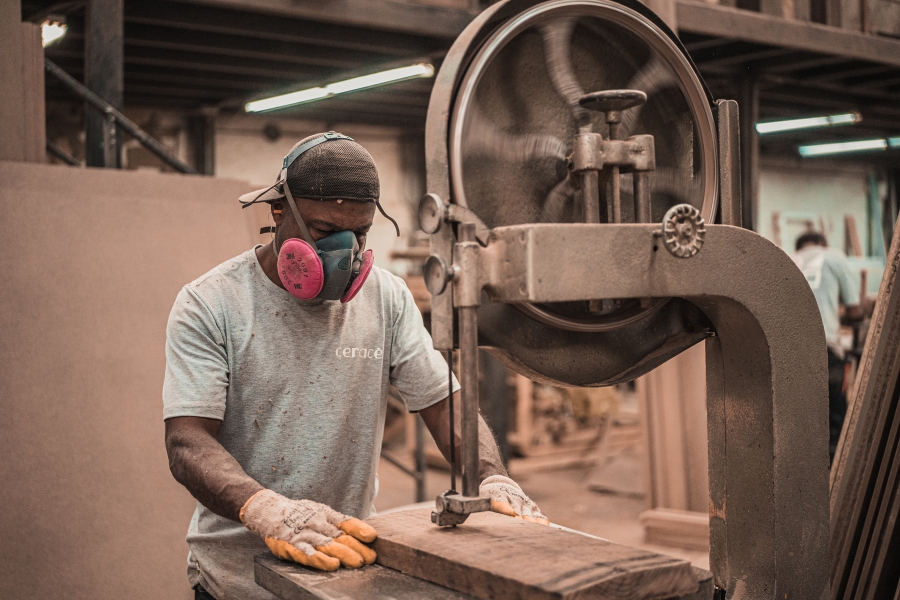
Managing dust and ensuring adequate ventilation are critical for maintaining the health and safety of both professional carpenters and woodworking enthusiasts alike.
Wood dust isn’t merely inconvenient – it can cause respiratory problems, allergic reactions, and is a known fire hazard, and all of this makes dust management essential.
So, if you can, make sure to implement efficient dust collection systems, like vacuum extractors, at the source of dust generation, especially around saws and sanding equipment.
You should also regularly clean and vacuum your workshop to remove any dust particles.
Ideally, you should use air filtration systems or install exhaust fans to ensure proper ventilation, but if that’s not possible, you can simply open the windows and doors to provide better ventilation.
These actions will significantly enhance air quality, protect your health, and reduce the risk of fires.
Preparing for Emergencies
Despite careful planning and precautionary measures, emergencies can still arise unexpectedly.
Being well-prepared for these situations is crucial for carpentry safety and knowing how to respond quickly and effectively can significantly reduce potential harm.
So, make sure your workspace has clearly labeled emergency exits and accessible emergency equipment such as first aid kits and fire extinguishers.
You should also regularly inspect and replenish these safety supplies to guarantee that they’re ready for use at a moment’s notice.
It’s also good to learn basic first aid or provide this type of training for your team (if you have one) and have a clearly outlined emergency response plan that includes emergency contact numbers and procedures for medical emergencies or accidents.
Cultivating Safe Work Habits
Maintaining safe work habits will dramatically reduce the likelihood of accidents in carpentry.
So, you should always stay alert and focused when working with tools and materials and avoid distractions like unnecessary conversations, loud music, or cell phone usage while operating equipment.
What’s more, you should never rush your work, as hurried movements can increase the risk of mistakes or accidents.
You should also recognize the importance of rest, and schedule regular breaks to refresh your mind and body, as fatigue impairs concentration and slows reaction times, which further increases the chance of injuries.
Are you looking for a carpenter in Kelowna?
Our master woodworker, Andy Ingram, has over 30 years of experience. For more details, contact us or check out our portfolio to see what we’re capable of creating.